
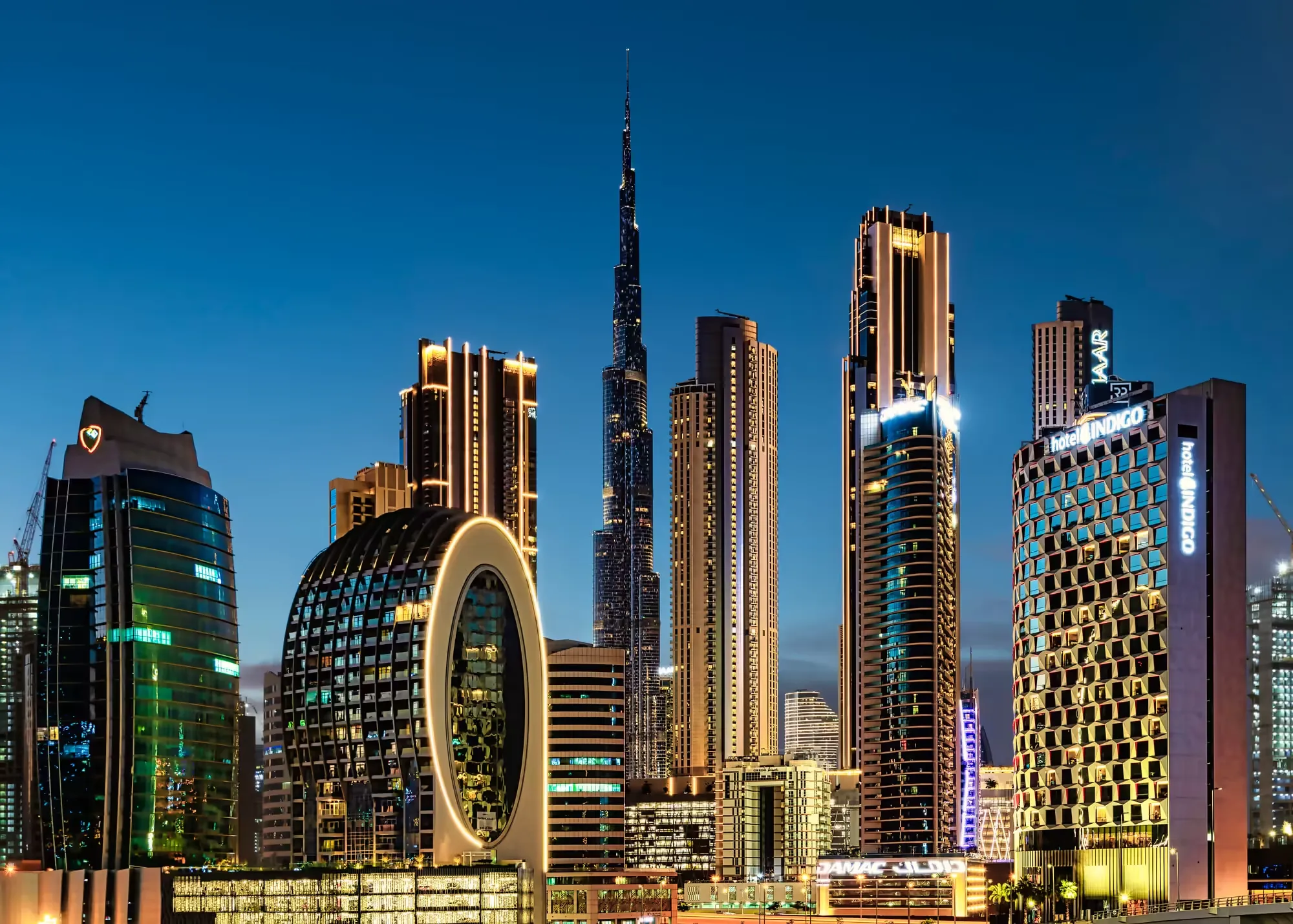
Dubai Property Market 2026: The Market Is Cooling, But Prices Aren’t Crashing
Dubai has spent the last few years at the centre of the global real estate conversation. From luxury apartments and waterfront villas to high-demand off-plan developments, the city has attracted buyers and investors from across the world.
But as we move through 2026, the Dubai property market is entering a different phase.
The rapid growth seen during the previous cycle is beginning to moderate. Some residential areas are seeing price corrections, rental growth has softened and buyers have more options as new properties enter the market.
However, calling this a Dubai real estate crash would be premature.
The current market is better described as a cooling and rebalancing phase.
What Is Happening in the Dubai Property Market?
Dubai's residential market has started showing signs of moderation after several years of exceptional growth.
Recent market data indicates that residential prices and rents have declined in some segments, while transaction activity has also become more selective. Cushman & Wakefield Core reported a 4% quarter-on-quarter decline in citywide residential prices and a 6% decline in rents in its latest market update.
This does not mean every property in Dubai is losing value.
Dubai's real estate market is highly segmented. Prime waterfront properties, luxury residences and well-established communities can behave very differently from areas experiencing significant new supply.
For investors, this makes location and property selection more important than ever.
Why Are Dubai Property Prices Cooling?
One of the biggest factors behind the current market correction is the increase in housing supply.
Dubai is expected to receive a significant number of new residential units during 2026. More inventory means buyers have more choices and developers face greater competition.
This is changing the balance between buyers and sellers.
During the earlier boom, limited availability and strong demand pushed prices higher quickly. With more homes becoming available, buyers can now compare projects, negotiate payment plans and take more time before making an investment decision.
Developers are also becoming more selective with new launches, indicating that the market is moving towards a more measured growth cycle.
Is Dubai Real Estate Going to Crash?
This is perhaps the biggest question for potential investors.
A market correction and a property crash are not the same thing.
A property crash usually involves a sharp and widespread fall in prices accompanied by distressed sales, collapsing demand and severe financial pressure.
Dubai's current situation is more nuanced.
While some property prices have declined, the market continues to attract international buyers and investors. Registered residential transactions also remain substantial, showing that demand has not disappeared.
The latest available data through August 2026 shows that built residential property values remain above their levels from a year earlier, despite recent corrections.
This suggests that Dubai is experiencing normalisation rather than a complete market breakdown.
New Supply Is Changing the Market
The delivery of new residential projects is likely to remain one of the biggest factors influencing Dubai real estate in 2026.
More apartments and villas entering the market can create greater competition between existing and newly launched properties.
For investors, this means simply buying a property because it is located in Dubai may no longer be enough.
The surrounding supply should be considered carefully.
Before purchasing, investors should look at:
- Upcoming residential developments
- Developer reputation
- Price per square foot
- Rental demand
- Community infrastructure
- Connectivity
- Expected handover date
- Service charges
- Resale potential
- Long-term capital appreciation
These factors can have a significant impact on an investment's future performance.
Off-Plan Property Remains Popular
Despite the market becoming more selective, Dubai off-plan property continues to attract considerable investor interest.
Off-plan developments can offer flexible payment plans, newer amenities and lower entry prices compared with some completed properties.
However, the changing market means investors should be more careful when selecting an off-plan project.
A strong developer track record, strategic location, realistic pricing and sustainable demand are increasingly important.
Investors should also look beyond promotional launch prices and evaluate the project's potential after completion.
Dubai Luxury Real Estate Is Different
Dubai's luxury property market continues to attract high-net-worth buyers.
Waterfront communities, branded residences, villas and prime locations often have different demand dynamics compared with mass-market apartments.
Limited supply can help support premium properties, particularly in locations where demand comes from international investors and high-income residents.
This creates a two-speed market.
Some segments may experience corrections, while premium and supply-constrained properties can remain comparatively resilient.
For this reason, broad statements such as “Dubai property prices are falling everywhere” do not accurately describe the entire market.
Is 2026 a Good Time to Buy Property in Dubai?
There is no single answer for every buyer.
For end-users, a cooling market can provide more choice and potentially greater negotiating power.
For investors, the current environment may provide opportunities to identify properties with stronger fundamentals instead of chasing rapid short-term price appreciation.
However, buyers should avoid making decisions based solely on headlines.
The best investment opportunity is not necessarily the cheapest property.
Instead, investors should consider the combination of location, developer, price, rental potential, supply and long-term demand.
What Should Dubai Property Investors Watch Next?
Several factors will shape the Dubai real estate market through the remainder of 2026 and beyond.
1. New Residential Supply
The number of completed and upcoming projects will influence prices and rental competition across different communities.
2. Population Growth
Dubai's growing population continues to support demand for housing, particularly in well-connected residential areas.
3. International Investment
Dubai remains an attractive destination for global investors because of its business environment, infrastructure and international connectivity.
4. Rental Market
Rental demand will remain an important consideration for investors purchasing property for income generation.
5. Interest Rates and Global Economy
Global economic conditions and financing costs can influence buyer sentiment and mortgage demand.
The Bigger Picture for Dubai Real Estate
The Dubai property market is changing, but change does not automatically mean decline.
After years of rapid appreciation, a period of moderation can help create a healthier and more sustainable market.
Buyers have more choice.
Developers are becoming more selective.
Investors are becoming more analytical.
And property selection is becoming increasingly important.
The next phase of Dubai real estate may therefore be less about buying whatever is available and more about identifying quality assets with genuine long-term demand.
Conclusion
The Dubai property market in 2026 is cooling, but the available evidence does not point towards a broad-based crash.
Instead, Dubai appears to be moving from an extraordinary growth cycle towards a more balanced and mature real estate market.
For investors, this could be an important transition.
The opportunity may no longer be about chasing the fastest price growth. It may be about finding the right property, in the right location, from the right developer, at the right price.
In a more competitive Dubai real estate market, informed decisions could matter more than ever.